Hiring a roofing contractor is a major decision that affects your home’s safety, durability, and long-term value. With thousands of roofing companies operating across the United States, homeowners often struggle to identify who is genuinely qualified and who should be avoided.
This guide explains how to hire a roofing contractor the right way, based on industry experience and real homeowner concerns. It covers licensing, estimates, contracts, insurance, weather planning, and scam prevention so you can make a confident, informed choice.
Verify Licensing, Insurance, and Business Legitimacy First
Before discussing price or materials, confirm that the roofing contractor is legally qualified to work on your home.
A professional roofing contractor should provide:
- A valid state or local roofing license (where required)
- General liability insurance that protects your property
- Workers’ compensation coverage for all crew members
- A registered business name with a physical office address and phone number
Contractors who avoid sharing documentation create unnecessary financial and legal risk for homeowners.
Hire a Roofing Contractor With Proven Local Experience
Roofing standards vary by location due to climate, building codes, and permit requirements. A contractor with local experience understands what works and what fails in your region.
Local expertise includes:
- Knowledge of wind, hail, heat, snow, or coastal exposure
- Familiarity with city permits and inspection timelines
- Experience installing roofing materials suited to the local climate
Choosing a local roofing contractor reduces inspection failures, warranty issues, and premature roof damage.
Research Roofing Reviews With Context, Not Just Ratings
Online reviews are useful, but star ratings alone are not enough.
When researching roofing companies:
- Focus on reviews from the last 12–18 months
- Look for mentions of cleanup, communication, and timelines
- Read how the company responds to negative feedback
- Confirm how long the business has operated under the same name
Consistent, professional behavior across reviews indicates stability and accountability.
Ask Questions That Reveal Real Roofing Experience
A dependable roofing contractor welcomes informed homeowners and answers questions clearly.
Important questions to ask:
- Do I need a roof repair or full roof replacement, and why?
- Which roofing materials are recommended for my home?
- What warranties apply to labor and materials?
- Who supervises the job on-site?
- How are unexpected repairs or code upgrades handled?
- How will gutters, siding, and landscaping be protected?
Clear, detailed answers signal experience and transparency.
Always Request a Detailed Written Roofing Estimate
Never rely on verbal quotes. A written roofing estimate protects both parties and prevents misunderstandings.
A professional roofing estimate should include:
- Roofing material type, manufacturer, and color
- Underlayment, flashing, ventilation, and accessory details
- Tear-off or overlay scope
- Cleanup and disposal responsibilities
- Project timeline and completion window
- Payment schedule
- Labor and material warranty terms
Written estimates help avoid surprise charges and disputes.
Understand Weather Planning and Jobsite Protection
Roofing projects depend on weather, but experienced contractors plan ahead to protect your home.
Ask how the contractor handles:
- Rain or storms during installation
- Temporary roof protection
- Material storage
- Schedule changes caused by weather delays
Prepared roofers prevent interior damage and maintain workmanship quality.
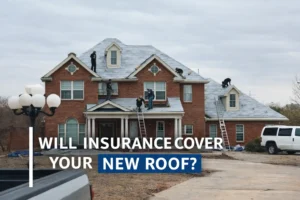
Handle Insurance Claims Carefully
Storm damage roofing projects often involve homeowner’s insurance.
A qualified roofing contractor will:
- Explain the insurance claim process clearly
- Coordinate inspections professionally
- Avoid promising claim approval
- Carry insurance that covers property damage and workers
Severe weather often attracts temporary roofing crews.
Common warning signs include:
- Requests for full payment upfront
- No permanent office or local presence
- Pressure tied to limited-time pricing
Confirm Roofing System Certifications
Not every roofing contractor is certified to install every roofing system.
Some manufacturers require certification for:
- Architectural asphalt shingles
- Metal roofing systems
- Low-slope or specialty roofs
Certification protects warranty coverage and installation quality.
Review the Roofing Contract Carefully Before Signing
Your roofing contract should clearly define:
- Scope of work and installation method
- Project start and completion timeline
- Payment milestones
- Warranty coverage and exclusions
- Responsibility for debris removal
- Repair of exterior or interior damage
Clear contracts reduce disputes and delays.
How to Extend the Life of Your Roof
Hiring the right roofing contractor is only the first step.
Homeowners can extend roof lifespan by:
- Trimming overhanging tree branches
- Keeping gutters clean
- Scheduling inspections after major storms
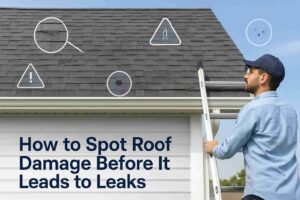
- Watching for shingle damage or granule loss
Routine maintenance lowers long-term repair costs.
Why Homeowners Trust Priority Roofing
Priority Roofing works with licensed, insured roofing professionals across multiple U.S. locations. The company focuses on inspections, written documentation, and homeowner education rather than pressure-based sales.
Each project is evaluated based on local climate, building codes, and long-term roof performance.
Need Help Choosing the Right Roofing Contractor?
Priority Roofing connects homeowners with licensed, insured, and locally experienced roofing professionals across the United States.
Request a Free Roofing InspectionNo pressure • Written documentation • Homeowner-first approach
Quick Checklist: How to Choose the Right Roofing Contractor
- Licensed and insured
- Proven local experience
- Detailed written estimates
- Verified reviews
- Clear communication
- No pressure tactics
Following this checklist helps homeowners avoid common mistakes and hire a roofing contractor who delivers reliable, long-term results.